
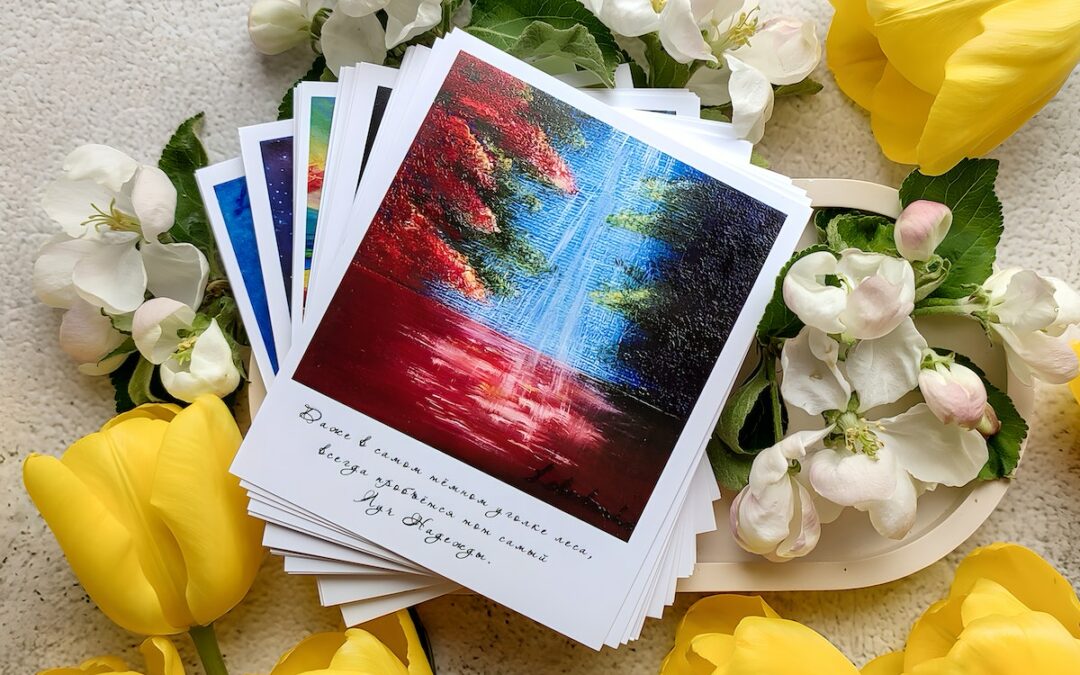
Finding a way to keep the memory of a loved one alive, even in the simplest of ways, can bring the family comfort. Memorial stationery is a beautiful and personal way to honor their life and connect with others during this difficult time.
Below are some of the various types of memorial stationery, Learn about the essential elements and features you need to consider when designing and creating a meaningful tribute.
Types of Memorial Stationery

Memorial stationery comes in all forms and sizes. This gives you much freedom when choosing how to express your sentiments. Here are some common types:
Memorial Stationery Sets
These sets combine various stationery items with a consistent theme honoring the deceased. You can choose to include some or all of the following:
- Memorial Notecards: Memorial notecards are the perfect way to send short messages of condolence, thank you notes for expressions of sympathy, or simply sharing a fond memory of your loved one. They come in various sizes and can be personalized with a photo or a favorite quote.
- Memorial Mass Cards: Traditionally used for Catholic funerals, these cards announce the details of a memorial mass and often include a photo of the deceased. They can also be used for non-denominational services with a brief message about the service.
- Memorial Bookmarks: A thoughtful and lasting keepsake, memorial bookmarks gives family members and friends a way to keep your loved one’s memory close while also being a practical takeaway for those who love reading. Consider incorporating a favorite poem, quote, or photo in the design.
- Memorial Thank You Cards: Express gratitude for the support of friends and family during a difficult time. Memorial thank you cards are a thoughtful token that will do the job. You can personalize your message of appreciation while subtly honoring your loved one.
- Memorial Prayer Cards: These cards often include a prayer dedicated to the deceased, their name, and a photo. They offer comfort and serve as a tangible reminder of your loved one in moments of reflection and prayer.
Announcement Cards
These cards announce the passing of a loved one to those who may not have been aware or unable to attend the service. They often include a photo and a brief message about the deceased’s life.
Keepsake Cards
These cards are designed to be treasured by family and friends. They may include a heartfelt message, a poem, or a space for handwritten notes of remembrance.
Essential Elements and Features

Planning memorial stationery involves incorporating key elements to create a meaningful tribute.
Name and Dates
This is the most important aspect of any memorial stationery. Make sure you display the deceased’s full name and dates of birth and passing.
Photo
Include a photograph of the deceased. This adds a personal touch and gives recipients a visual anchor for them to connect with your loved one. While the default choice is a portrait (a head to shoulder shot), even a full-body photo will do. If possible, choose a photo that captures who they are (whether through the background or the way they’re posed), which can bring back cherished memories.
Religious Symbolism (Optional)
For religious ceremonies, consider incorporating relevant symbols or prayers. While this often means an image of two hands brought together in prayer, you can also use icons of a church building, a dove, a cross (for Christians), the Star of David (for Jews), and other religious icons.
Charity Donations (Optional)
If the deceased or their family support/ed a charity, one way of honoring them is to offer that same support to that cause. Consider including information about the charity so guests can donate to that organization in the deceased’s name in lieu of sending flowers.
Sentiment or Quote (Optional)
Including a favorite quote, poem, Bible verse, or a heartfelt message about the deceased, an excellent way to represent their values or personality.
Service Information (Optional)
If the memorial includes a service, add the date, time, and location.
Thank You Message (Optional)
Give your guests a token of appreciation for the time and support they offered during this period of grieving. A short but sincere message of gratitude will do.
Contact Information (Optional)
You can choose to include a phone number or email address on the stationery, allowing recipients to contact you easily.
Design Tips

Here are some design tips to ensure your memorial stationery is both respectful and beautiful:
Template
Using a design template is a quick and easy way to create your stationary. Templates include the essential elements and can serve as a guide in terms of layouting and typography selection. All you need to do is customize it with your chosen photos and colors.
Meaningful Details
Include subtle details that hold special significance, like a favorite flower or a song lyric your deceased loved one cherished.
White Space
White space is the negative space between or around design elements. It is a practical design choice that also ads balance and elegance. Make use of it so as not to overcrowd the design. Surround a text, like the date and time, with white space to highlight it.
Visuals
Choose high-quality photos that evoke positive memories. Consider using a single photo or a collage depicting different aspects of your loved one’s life. Consider including nature scenes, symbolic imagery, or religious icons that hold meaning to them.
Paper Quality
High-quality paper conveys respect and creates a lasting impression. Choose a paper weight and texture that complements the design and feels substantial. For a more elegant choice, opt for paper with textured or pearlescent finishes.
Design Style
The design should reflect the deceased’s personality or interests. For more traditional preferences, you can choose classic and elegant designs (text with graceful flourishes and an understated color palette). If the deceased leaned more towards the modern, contemporary designs (clean lines and bold colors) may be more suitable. For lovers of nature, include elements like florals or leaves.
Balance and Layout
Highlight important information like names and dates. Make them more prominent on the design, whether this means surrounding them with white space or using large, bold fonts. Place decorative elements in corners, edges, or between bits of information. As much as possible, don’t overlay text on images.
Fonts and Text
The objective is to convey information and your message. Use clear, easy-to-read fonts to do so. Avoid overly stylized fonts; they can be difficult to read and detract from the message.
Proofreading
Avoid errors and miscommunication; proofread all text before printing. Double-check dates, names, and any messages.
Color Palette
To evoke a sense of serenity, use soft and muted colors like light blue, lavender, or cream. If your loved one had a favorite color, use it subtly in the design. Avoid overly bright or saturated colors.
If designing is not your strong suit, consider professional help. Online printing services often offer customizable memorial stationery templates. Work with a professional designer if you require advanced design assistance.
Create a Lasting Tribute

Memorial stationery is a thoughtful way to honor the life of a loved one and allows you to express your grief and gratitude. Create a lasting tribute that celebrates their life and brings comfort to those who have come to support you and to mourn their loss.
For personalized and high-quality memorial stationery, consider contacting Personal Touch Printing. We offer a variety of customizable options to create a meaningful tribute that reflects the unique life of your loved one. Call us at 661-809-4807 or email personaltp.williams@gmail.com for a free consultation.
Recent Comments