
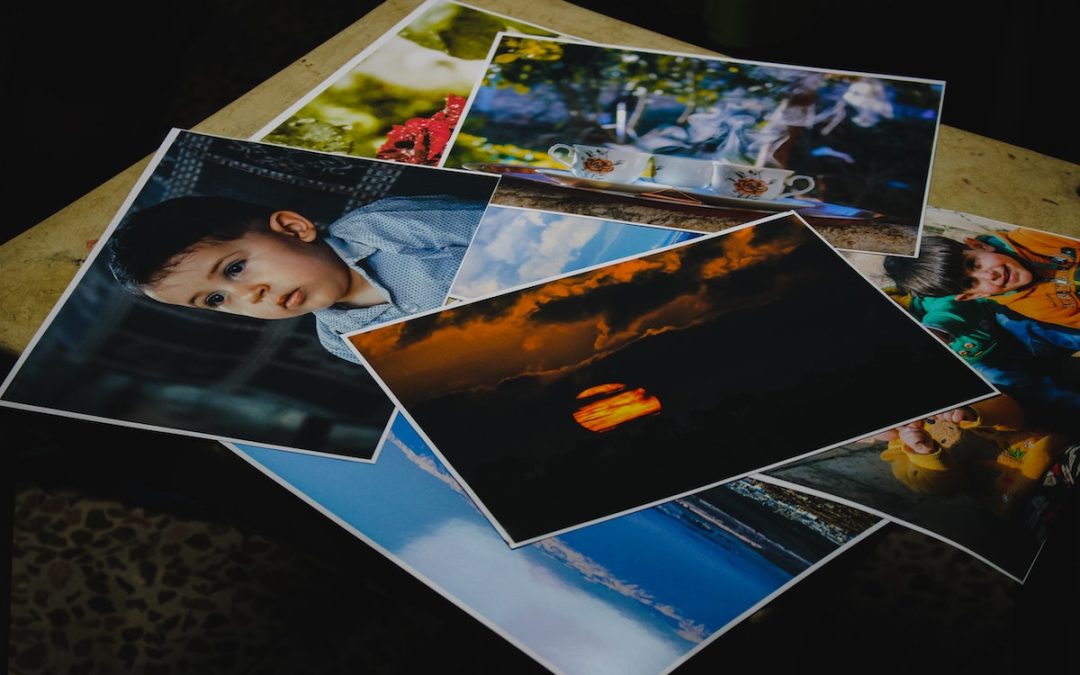
A memorial service isn’t just another gathering. It’s a time for people to come together, remember, reflect, and maybe even share a laugh or two over old memories. When families lose someone, they look for ways to honor that person—something that will stick with them after the flowers are gone and the guests have left. One thing that really lasts: the memorial program. It’s more than just a schedule; it’s a little piece of someone’s story you can hold onto.
Why Memorial Programs Matter

Sure, at the most basic level, a memorial program keeps things organized. It tells people what’s happening, who’s speaking, what music will play, and what moments to expect. But honestly, it’s more than that. For a lot of people, it’s the first real keepsake they get, something they can tuck away and revisit when they need to remember. For families, that program sometimes turns into a real treasure.
When you put some thought into it, a memorial program isn’t just a list—it’s a way to tell a story. It captures what made that person unique: what they loved, who they loved, the things they cared about, and the moments that mattered. It lets people connect, even if they don’t know every detail of that person’s life.
How to Tell a Life Story
Every person has a story worth sharing. Designing a memorial program starts with getting past the basics: dates, jobs, and titles. What made them laugh? What did they believe in? How did they show up for the people around them?
You don’t need pages and pages of biography. Sometimes, a few thoughtful details say more than a list of facts ever could. A short summary, a quote that always made them smile, a line from a favorite song, or just the right photo—these little things add up. The idea isn’t to capture everything. It’s to shine a light on the moments and qualities that really defined them.
Picking What Goes In
What you include shapes the whole feeling of the program. Traditional stuff matters, but the real magic is in the personal touch.
- A Life Summary – A good life summary gives people a sense of who this person really was. Where did they come from? Who did they love? Write it like you’re talking to a friend, instead of writing a newspaper notice.
- Personal Messages – Letting family or close friends share a few words makes everything feel more real. Whether it’s a thank you, a favorite memory, or a lesson learned, even a single heartfelt note can mean the world.
- Quotes, Poems, Scriptures – Sometimes the right words just say what we can’t. A favorite quote, a meaningful verse, or a line from a poem can bring comfort and tell people something about the person’s spirit.
- Photos That Matter – Pictures tell stories in a way words never quite can. Maybe it’s a single portrait that shows their warmth, or maybe it’s a collage: childhood grins, family hugs, big milestones, goofy moments.
Making Design That Matters

Design isn’t just about making things look nice. It helps tell the story, too. The way you lay things out, the colors you pick, the fonts you use—these choices all add up.
- Layout – Let each section breathe so people can take it in without feeling overwhelmed.
- Color – Colors set the mood. Soft colors can feel peaceful; deeper, richer colors might feel strong or warm. Sometimes families pick a favorite color or something that means something special.
- Typography – Fonts matter more than you’d think. An elegant serif font can feel classic, while a simple sans-serif keeps things modern. A touch of script for names or headings adds a little personality without overdoing it.
- Imagery and Graphics – A few simple touches, such as a flower, a symbol of faith, or a little bit of nature, can add meaning without stealing the show. They should fit in with the story you’re telling instead of distracting from it.
In the end, a memorial program is a small thing, but when it’s done right, it becomes a keepsake people turn to when they want to remember. It’s not just about what happened, but who they lost and why that person mattered.
Balancing Tradition and Personalization
Memorial services often lean on cultural or religious traditions, and honoring those rituals matters. Still, the best memorial programs don’t just stick to the script—they find ways to weave in personal touches, too. When you strike that balance, the service feels both respectful and deeply personal.
You don’t have to choose between tradition and personality. Even with a classic order of service, you can add things like favorite photos, special quotes, or a page just for personal dedication. Those details make all the difference. Families get to honor their roots and, at the same time, show off what made their loved one unique.
The Emotional Impact on Attendees
A memorial program isn’t just a schedule or a handout. It’s a small but powerful part of the grieving process for everyone there. When a program tells a meaningful story, even distant relatives or old friends walk away feeling a deeper connection to the person being remembered.
For close family and friends, seeing memories and shared experiences in print brings comfort. It lets them know others feel the same loss and that those memories matter. For everyone else, the program opens a window into the life and spirit of someone they might not have known well. It helps build empathy and understanding, which is what gatherings like this are about.
Long after the service, these programs don’t just get tossed aside. They end up tucked into memory boxes, slipped between the pages of photo albums, or even framed on a wall. They become keepsakes—solid reminders of love and connection.
Creating a Keepsake That Lasts
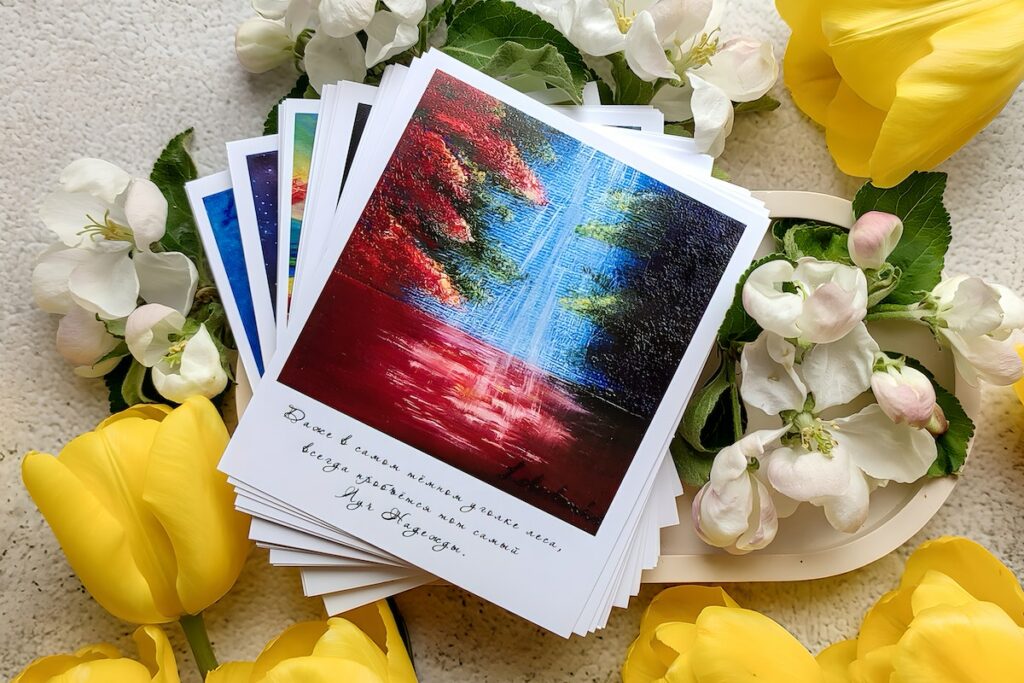
If you’re putting in the work to make a memorial program, you want it to last. Good materials matter. Sturdy paper stock, professional printing, and thoughtful finishing touches can turn a regular program into something you’ll want to keep forever.
There are lots of options: thick card stock, folded booklets, laminated covers. These little choices help the program stand up to time and handling. Some families go digital, too. That way, the tribute can be shared easily with friends and family who couldn’t make it, and it sticks around for future generations.
Collaboration and Sensitivity in the Design Process
Making a memorial program is emotional work. You need sensitivity, whether you’re working with a designer or pulling it together as a family. Patience goes a long way here, as does compassion for everyone involved.
It helps to review everything carefully—double-check the names, make sure the language feels right, and take time to get it all just so. Clear communication makes the process smoother. In the end, you want a program that truly honors your loved one’s story.
Modern Memorial Programs: Blending Print and Digital
These days, memorial programs aren’t limited to what you can print. Families add QR codes that link to online photo galleries, tribute videos, or even full memorial websites. Suddenly, you’re not just holding a pamphlet—you’re stepping into a much bigger story.
Mixing print and digital like this pulls people in. It lets you share more memories, stories, and moments than paper ever could. And it means your loved one’s legacy can keep growing long after the service ends.
Personal Touch Printing LLC can help you design and create memorial programs for your loved ones. Call us at 661-809-4807 or email us at personaltp.williams@gmail.com.
Recent Comments