The value of physical photos is often overlooked in today’s digital age, where we store endless pictures on our devices. While it’s convenient to scroll through a digital gallery, it doesn’t compare to the feeling of holding a print, flipping through a photo album, or seeing cherished images displayed on a wall.
These tangible experiences create a stronger connection to our memories, adding layers of nostalgia and emotion. As we reflect on the importance of physical keepsakes, we recognize the psychological benefits they offer, from boosting emotional well-being to creating lasting legacies. Preserving memories in a physical form encourages us to think about the stories we choose to share.
The Emotional Connection to Physical Photo Prints
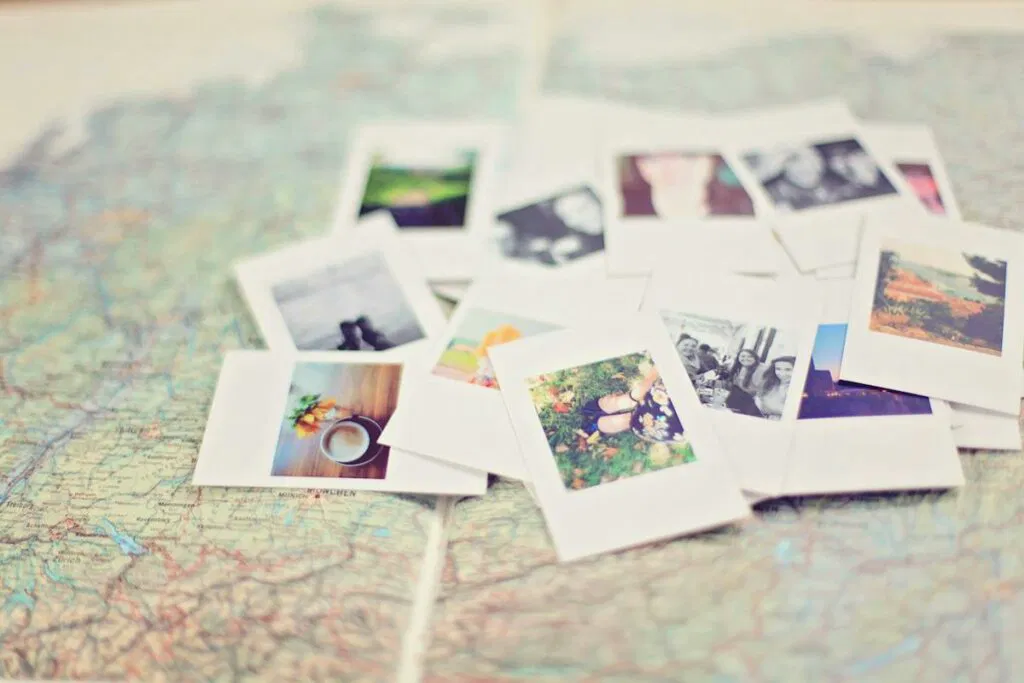
There’s something uniquely emotional about holding a printed photo. The physical experience—the weight of the print, the texture of the paper, the act of turning the pages—engages our senses in a way digital images can’t.
This tactile interaction triggers deeper memory recall, making those moments more vivid and accessible. When prints capture meaningful events—like milestones or celebrations—they become lasting tokens of our lives.
The simple act of holding a photograph can transport us back in time, stirring emotions and helping us make sense of our past. Nostalgia, while often associated with longing, can have positive effects by boosting our sense of well-being, strengthening our self-identity, and deepening our connections with others.
The Ritual of Creating and Sharing Photo Prints
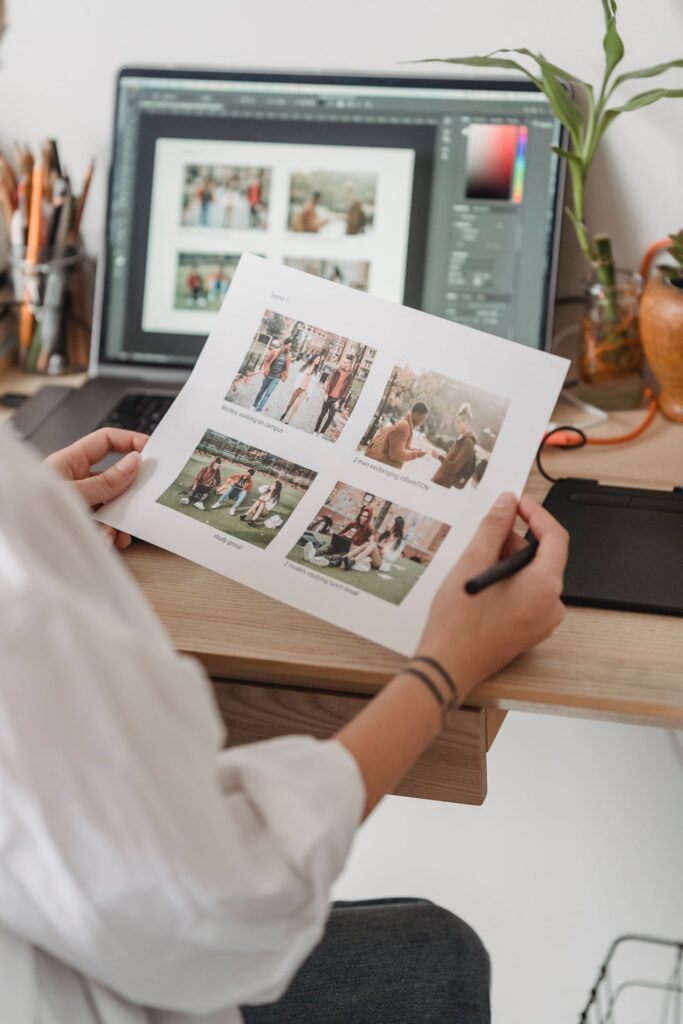
Creating and sharing photo prints is a tradition that carries a sense of personal connection. There’s something about the process that feels intentional, from selecting the photos to deciding how to display them. It’s not just about having a memory; it’s about preserving it in a tangible form.
When you print a photo, you’re committing to that moment. You take the time to choose which one matters most, whether it’s a family gathering, a vacation, or a candid snapshot that captures something special. Holding that printed image in your hands brings the memory to life in a way scrolling through your phone can’t.
Sharing printed photos adds another layer to this experience. A physical print isn’t just shared and forgotten like a text message or social media post—it’s something you hand to someone, display on a shelf, or give as a gift. It invites conversations, storytelling, and reflection. Whether it’s flipping through a photo album with friends or showing off a framed picture on your wall, these prints help create connections between people and the memories they hold dear.
The Value of Photo Prints for Mental Health
The mental health benefits of photo prints are increasingly recognized, particularly for their power to evoke nostalgia and promote well-being. Research shows that revisiting happy memories can improve mood and build resilience against stress and anxiety.
Holding a physical photo anchors us to positive moments, helping us process emotions and reflect on our personal journeys. In therapeutic settings, professionals often use photo prints to help clients explore meaningful life events and relationships.
This practice encourages emotional expression and the development of coping strategies. So, photo prints aren’t just for decoration—they play a significant role in emotional well-being, helping us navigate our feelings, strengthen relationships, and support mental health.
Visual Aesthetics and Personal Identity
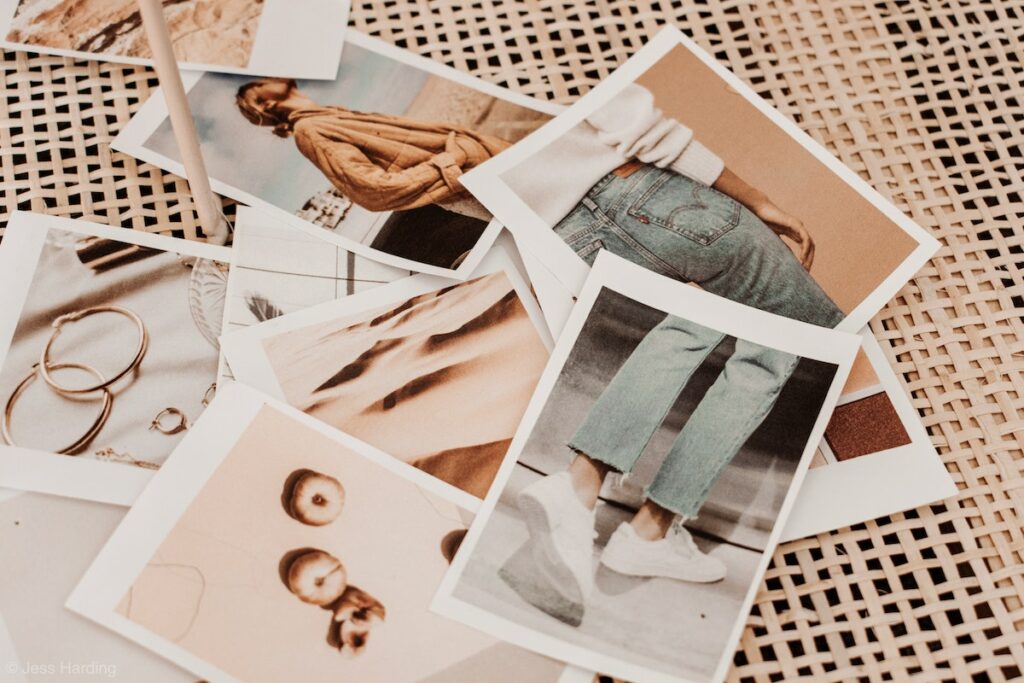
Visual aesthetics play a key role in shaping our personal and family narratives. Photo prints, for instance, serve as tangible reminders of the events and experiences that have helped define who we are. Each picture captures a moment in time, preserving emotions, relationships, and memories that contribute to our sense of continuity and belonging. These visual keepsakes allow us to curate the stories we tell about ourselves and our families, influencing how we see ourselves and how others perceive us.
Similarly, all forms of art—whether digital media, painting, or sculpture—offer powerful avenues for self-expression and personal discovery. Art allows individuals to explore and communicate their unique perspectives, often reflecting a blend of social, cultural, and personal influences. Engaging in creative activities encourages reflection, helping people process their experiences and deepen their understanding of themselves.
Creating a visual history through photo albums or art collections also has significant psychological benefits. It enables individuals to craft a narrative that reflects their values, cultural heritage, and relationships, reinforcing their identity. In a constantly changing world, this form of visual storytelling provides a sense of stability and serves as a reminder of shared experiences and connections, ultimately fostering emotional resilience.
Bridging Generational Gaps with Photo Prints
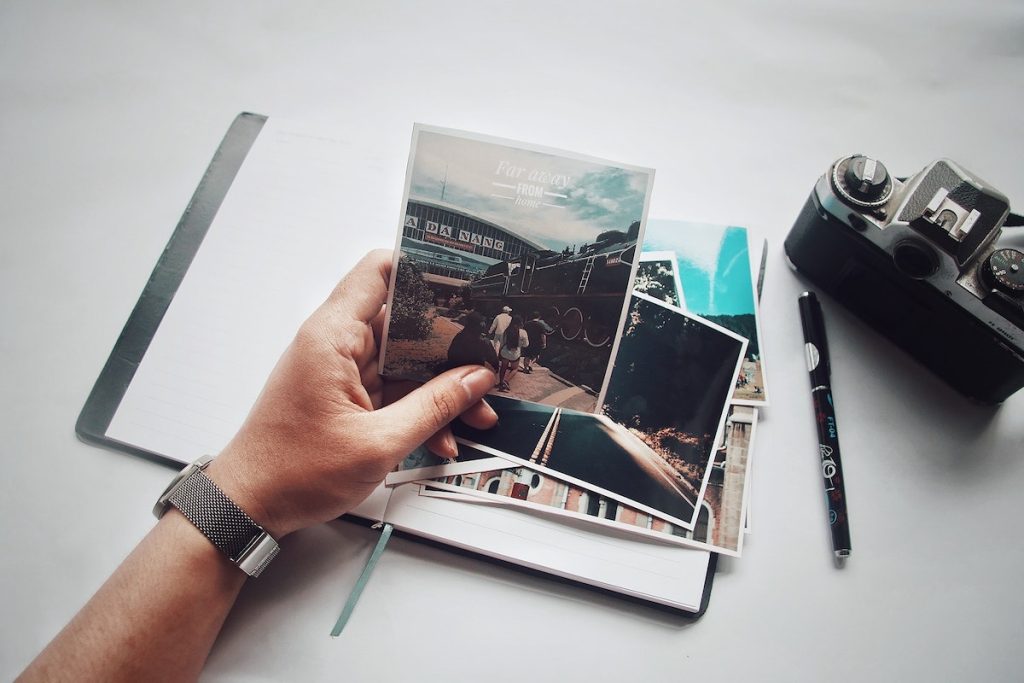
Photo prints can help connect people of different ages by offering a way to share and understand common values and family history. These physical memories break through time barriers, making it easier for younger and older generations to communicate.
When families sit together and talk about the moments captured in these photos—whether it’s a wedding, a vacation, or just everyday life—it sparks conversations that bring them closer. Older family members can share their experiences and wisdom, passing down stories that help the younger generation understand their roots.
Family photo collections are also like mini history lessons. They show important events, traditions, and cultural practices, giving younger family members insight into their heritage. Each picture can start a conversation about how things have changed over time, how people grow, and how strong family bonds can last through the years. Going through these old albums or glossy prints does more than bring back memories—it helps younger family members find a sense of identity and encourages them to carry these stories forward.
Looking back at printed memories helps create a sense of community within the family. It bridges the gaps caused by different experiences or generational differences, leading to a deeper understanding of how the past shaped the present and future of the family.
Get your memories in print with Personal Touch Printing’s custom photo prints today!

Recent Comments